Company
Our Business
CSR
Certification
Contact
Track Shipment
Commited In Building Beyond Reliable Relationships
Royal Pacific Group Established In 1960
Connecting Worlds Apart
Who We Are
Always innovating towards the future in the industry, we believe that "good" is not good enough
Royal Pacific Industry, Inc
Trading office, Dynamic Risk Management, and logistics coordination for our divisions.
Learn More
Partner in Medan, North Sumatra, Indones…
Milling and exporting Arabica coffee from Aceh and North Sumatra.
Learn More
Partner in East Java
Established network to get raw material of Arabica and Robusta coffees from Sumatra, Java,…
Learn More
Other Business
Printing
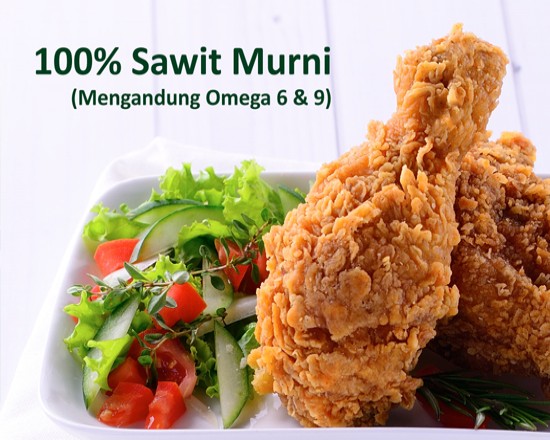
Prepacked Cooking oil
Privately Owned Farm - Gajah Estate
Our farm in Aceh, Sumatra spans 100 hectares, with elevations ranging from 1266 to 1400 MASL. It is surrounded by two rivers and cultivates two varieties: Ayunda and Ateng Super.
Company
Our Business
CSR
Certification
Contact
Track Shipment